




Where Families in Green Lake Come to Smile
Gum Disease Treatment in Green Lake, Seattle
Your gums might not get the spotlight like your teeth do, but they’re the real MVPs of your mouth. When they’re healthy, everything works beautifully. When they’re not, things can get uncomfortable fast. If you’ve noticed your gums bleeding when you brush, looking a bit puffy, or maybe pulling away from your teeth, you’re not imagining things. These are signs of gum disease, and the good news is that with the right treatment, we can turn things around.
At Green Lake Cosmetic Dentistry, we know that gum disease doesn’t happen overnight, and fixing it shouldn’t feel overwhelming. Routine exams are part of creating a healthy foundation for your smile, and treating gum disease is no different. Let’s talk about what gum disease really is, what treatment looks like, and how you can keep your gums healthy for the long run.


What Is Gum Disease and Why Does It Happen?
Gum disease starts small but can become more serious if left untreated. It begins as gingivitis, an inflammation of the gums caused by plaque buildup. Plaque is that sticky coating of bacteria that builds on your teeth throughout the day. If it’s not brushed and flossed regularly, it hardens into tartar, which irritates your gums, making them red, swollen, and prone to bleeding.
If gingivitis isn’t treated, it can develop into periodontitis, a more advanced form of gum disease. At this stage, the infection moves below the gum line, causing your gums to pull back from your teeth and form pockets that collect even more bacteria. Over time, this can harm the bone that supports your teeth, leading to tooth loss. Research shows that nearly half of adults over age 30 have some degree of gum disease, making it one of the most common oral health issues we see.
The causes of gum disease often include:
- Poor oral hygiene
- Smoking
- Genetics
- Certain medications
- Systemic conditions like diabetes
But no matter the cause, treatment can stop the damage and help your gums heal.
Early Signs You Shouldn't Ignore

Catching gum disease early makes all the difference — and the sooner it’s treated, the simpler the path back to health. Many of the warning signs are easy to overlook or dismiss as normal, but they’re your mouth’s way of flagging that something needs attention.
Bleeding gums
Gums that bleed when you brush or floss aren’t normal — healthy gums don’t bleed easily
Red, swollen, or tender gums
Inflammation is a sign your immune system is fighting bacterial infection below the gum line
Persistent bad breath
Bacteria thriving in gum pockets produce odors that brushing alone can’t eliminate
Receding gums
If your teeth are starting to look longer, your gums are pulling away — a sign of advancing disease
Loose teeth or shifting bite
When gum disease reaches the bone supporting your teeth, movement and alignment changes follow
If any of these sound familiar, schedule an appointment so Dr. Ellison can take a closer look and put together a treatment plan that works for your situation. Our focus is always on prevention, comfort, and clear communication — so you know exactly what’s happening and why.
How We Treat Gum Disease at Green Lake Cosmetic Dentistry
The right treatment depends on how far gum disease has progressed. Dr. Ellison will evaluate your gum health at your appointment and recommend the most conservative approach that effectively addresses the damage. Here is how we approach each stage.
Early Stage Gingivitis
For early-stage gingivitis, a thorough professional cleaning is often enough to remove plaque and tartar and get your gums back on track. We'll also talk about your home care routine to make sure you're brushing and flossing effectively.
Moderate Gum Disease
For more advanced cases, we use a deep cleaning procedure called scaling and root planing. This goes beyond regular cleaning by extracting plaque and tartar below the gum line and smoothing the tooth roots so your gums can reattach properly. It sounds intense, but we make sure you're comfortable throughout the process.
Severe Gum Disease
In late-stage cases where gum disease has caused considerable damage, we may recommend additional treatments or refer you to a specialist for surgical options such as gum or bone grafts. The goal is always to save your teeth and restore your gum health.
Preventing Gum Disease Starts at Home
Once we've treated your gum disease, keeping it from coming back is the priority. Prevention is simpler than most patients expect. Brush your teeth twice a day with a soft-bristled toothbrush and fluoride toothpaste, floss daily to clear plaque from between teeth and along the gum line, and keep your six-month dental cleanings on schedule — these visits are when we catch early warning signs before they require more intensive treatment. If you smoke, quitting is one of the most significant steps you can take for your gum health. Smoking weakens the immune response and slows the healing process, making it harder for treated gums to recover and easier for disease to return. Small, consistent habits make the biggest long-term difference. If you're not sure your current home care routine is doing enough, Dr. Ellison can walk you through exactly what to look for and how to adjust your approach at your next visit. We accept most major dental insurance plans and offer flexible financing and payment options to make treatment accessible.

Book a Gum Health Evaluation Today
Healthy gums are essential for a strong, confident smile. Schedule your periodontal evaluation at Green Lake Cosmetic Dentistry and take the first step toward comfort, clarity, and lasting oral health.
Frequently Asked Questions About Gum Disease
What are the warning signs of gum disease?
Watch for bleeding gums when you brush or floss, red or swollen gums, persistent bad breath, gum recession, or loose teeth. If you notice any of these symptoms, schedule an exam so we can evaluate your gum health.
Can gum disease be reversed?
Yes—gingivitis, the earliest stage, is reversible with proper treatment and home care. Periodontitis can’t be reversed but can be managed to stop further damage.
What is scaling and root planing?
Scaling and root planing is a deep cleaning that removes plaque and tartar from below your gum line and smooths tooth roots so your gums can reattach properly. We numb the area to ensure you’re comfortable throughout the procedure.
Is deep cleaning painful?
Most patients tolerate scaling and root planing very well. We numb the area beforehand and offer supportive aftercare instructions to ensure minimal discomfort.
How often will I need maintenance cleanings after treatment?
Most patients need periodontal maintenance cleanings every three to four months rather than the standard six-month schedule. This helps prevent the disease from returning and keeps your gums healthy long-term.

Meet the Doctor
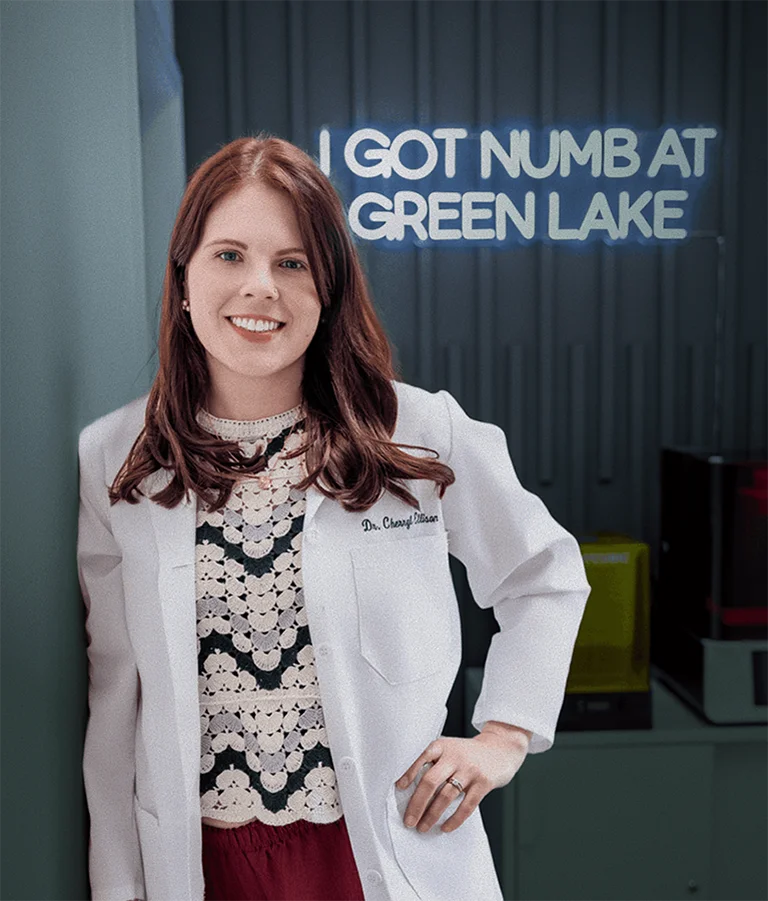
Dr. Cherryl Ellison – Periodontal Care in Green Lake
Dr. Cherryl Ellison provides gentle gum disease treatment focused on education, empathy, and prevention. With over six years of experience and a calming chairside manner, she helps patients understand their gum health without fear or pressure. Her goal is always to preserve natural teeth, reduce inflammation, and keep you comfortable throughout the process.
Expertly Reviewed By
Dr. Cherryl Ellison is a general dentist specializing in family and cosmetic dentistry. Dr. Ellison earned her Bachelor of Science and Doctor of Dental Surgery degrees from Indiana University. With years of clinical experience and a passion for providing high-quality dental care, she ensures the information presented is accurate, current, and aligned with modern dental best practices.