




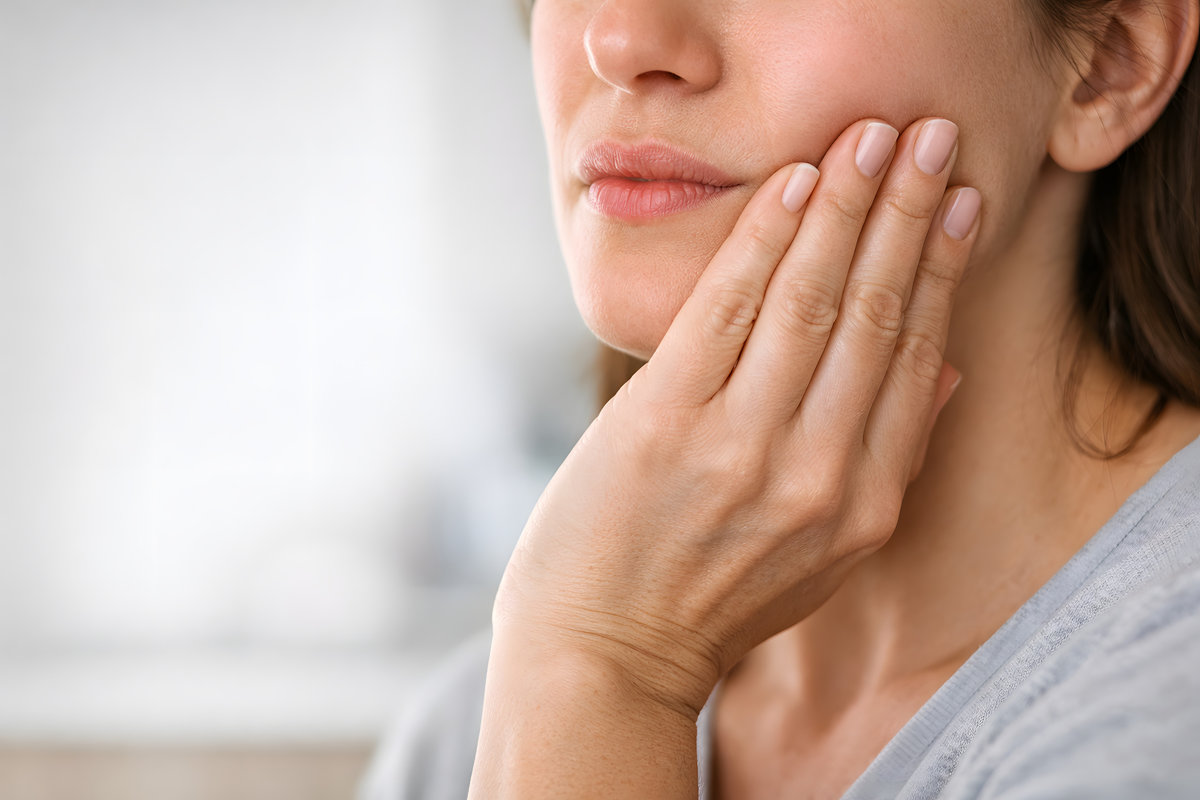
A twinge of pain after a sip of ice water or a bite of ice cream can catch you off guard, especially if it happens more than once. That sharp, fleeting ache is one of the most common dental complaints people bring up, and it can leave you wondering whether something is seriously wrong or whether it is simply a normal part of having teeth.
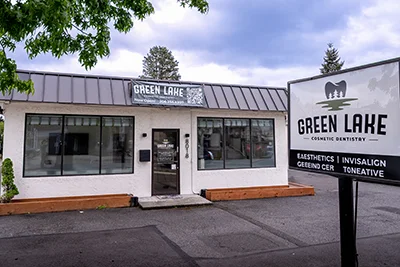
At Green Lake Cosmetic Dentistry, we hear about cold sensitivity from patients across Green Lake and the surrounding North Seattle neighborhoods on a regular basis. The good news is that mild sensitivity is common and often manageable, but it can also point to an underlying issue worth checking. Here is what tends to cause it and when it is time to get it looked at.
What Causes Sensitivity to Cold?
Cold sensitivity usually comes down to exposed dentin, the layer of tooth structure just beneath the outer enamel. According to the American Dental Association, dentin contains tiny tubules that connect to the nerves inside the tooth, and when enamel wears down or gums recede, cold and other stimuli can reach those nerves and trigger discomfort.
Common Reasons Enamel Wears Down
A few everyday habits and conditions tend to be behind most cases we see:
- Brushing too hard or using a stiff-bristled toothbrush
- Acidic foods and drinks, such as citrus, soda, and coffee
- Gum recession from age or gum disease
- Grinding or clenching teeth, often overnight
- Recent teeth whitening treatments
If any of these sound familiar, small adjustments to your routine may bring real relief. A softer toothbrush and a gentler grip can go a long way toward protecting your enamel over time.
When Sensitivity Signals Something More
Occasional mild sensitivity is common, but sensitivity that is sudden, severe, or limited to one tooth can be a sign of a cavity, a cracked tooth, or an old filling that has started to fail. Pain that lingers well after the cold trigger is gone is also worth mentioning to your dentist rather than waiting it out.
During your routine cleanings and exams, we check for early signs of decay, wear, and gum recession before they turn into bigger problems. Catching these issues early usually means simpler, more comfortable treatment down the road.
Easing Cold Sensitivity At Home
Between visits, a desensitizing toothpaste with potassium nitrate or stannous fluoride can help block the pathway between the tooth surface and the nerve. It typically takes a few weeks of regular use to notice a difference, so it helps to stick with it consistently.
Cutting back on acidic foods and drinks, waiting at least thirty minutes to brush after eating something acidic, and wearing a night guard if you grind your teeth can all help preserve the enamel you have left. If sensitivity affects your teeth whitening plans, we can recommend gentler options and pace treatments further apart so your smile stays comfortable throughout.
What We Can Do At Green Lake Cosmetic Dentistry
If cold sensitivity has been bothering you, our Green Lake team can help pinpoint the cause and map out a plan that fits your smile. Depending on what we find, that might include a fluoride treatment, a filling repair, or simple changes to your home care routine.
Green Lake Cosmetic Dentistry welcomes patients from Green Lake, Wallingford, Phinney Ridge, and across North Seattle who are ready to find relief from cold sensitivity. Reach out through our contact form to schedule a visit and get your questions answered.