






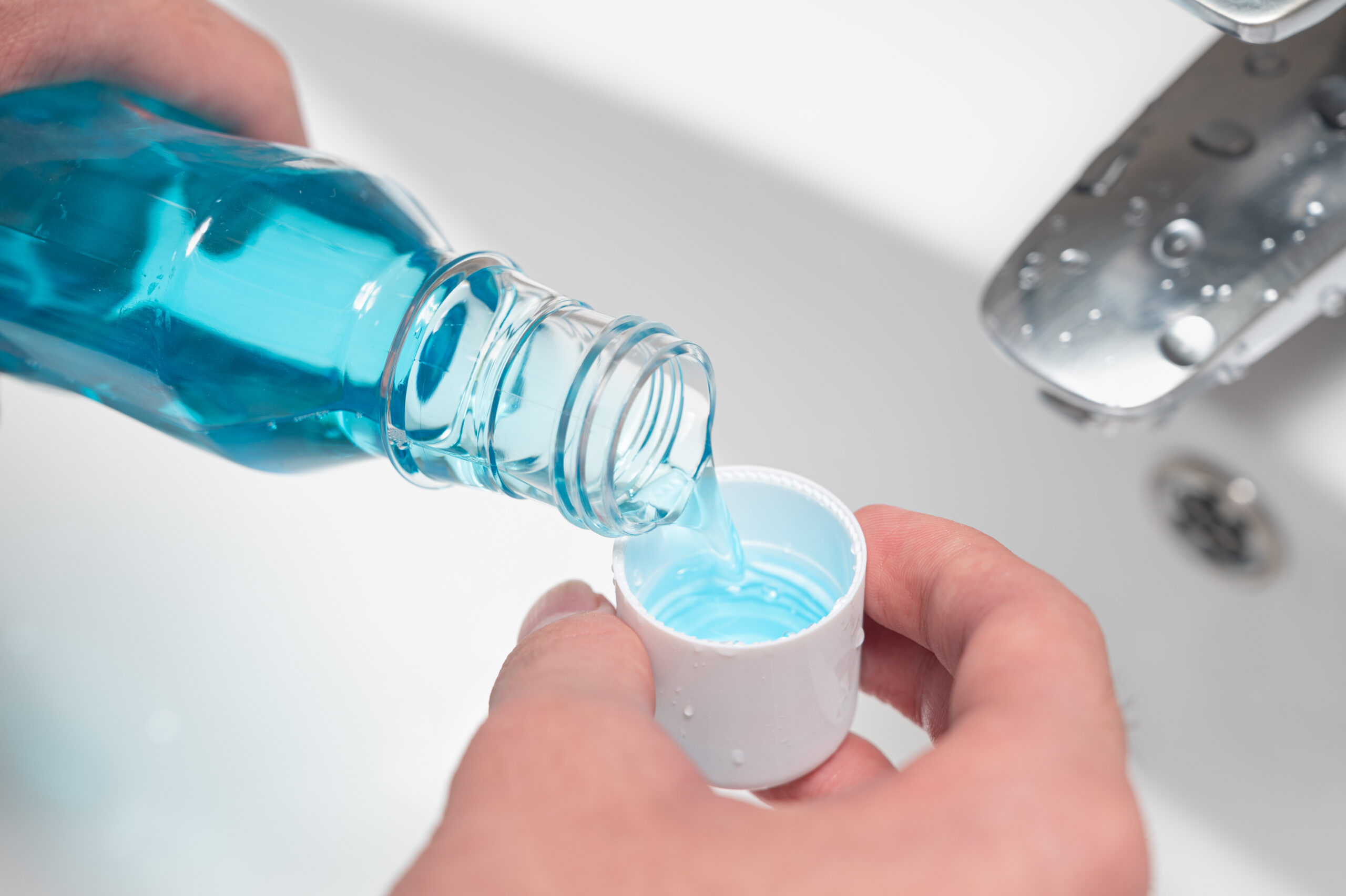
Most of us keep a bottle of mouthwash in the medicine cabinet out of habit more than anything else. We swish, we spit, and we hope our breath is fresher for the next hour or two. But does that minty rinse actually protect your teeth, or is it mostly a placebo with a satisfying tingle?
At Green Lake Cosmetic Dentistry, we get this question often, especially from patients who are trying to build a more effective at-home routine between cleanings. The short answer is that mouthwash can genuinely help, but only certain kinds, and only when it is used the right way.
What Mouthwash Can and Cannot Do
Mouthwash falls into two broad categories: cosmetic and therapeutic. Cosmetic rinses temporarily mask bad breath and leave your mouth feeling clean, but they do not treat the underlying cause of odor or plaque buildup. Therapeutic rinses, on the other hand, contain active ingredients designed to reduce plaque, fight gingivitis, or strengthen enamel.
The Centers for Disease Control and Prevention notes that fluoride rinses can help prevent cavities by strengthening the tooth’s outer surface, though they work best as an addition to brushing and flossing rather than a replacement for either. In other words, mouthwash is a supporting player, not the star of your oral hygiene routine.
Reading the Label
Not every bottle on the shelf offers the same benefits, so it helps to know what you are looking for before you buy one.
- Look for fluoride if your goal is cavity prevention and stronger enamel.
- Choose an antimicrobial or antiseptic rinse if you are managing gum inflammation or gingivitis.
- Avoid rinses with high alcohol content if you deal with dry mouth, since alcohol can make dryness worse.
A quick label check can save you from paying for a product that only freshens your breath when you actually need one that protects your teeth.
Who Benefits Most From Adding A Rinse
Mouthwash is not mandatory for everyone, but certain patients tend to see the most benefit from adding one to their routine. If you are prone to gum disease or notice bleeding when you brush, an antimicrobial rinse may help calm inflammation between visits.
Patients who are cavity-prone, wear braces or an Invisalign tray, or simply have a harder time reaching every corner with a toothbrush often benefit from a fluoride rinse as an extra layer of protection. On the other hand, if your cleanings and exams are consistently spotless, a daily rinse may simply be a nice-to-have rather than a necessity.
Getting The Most Out Of Your Rinse
Timing matters more than most people realize. Rinsing immediately after brushing can wash away the concentrated fluoride left behind by your toothpaste, so many dentists suggest using mouthwash at a separate time of day instead, such as after lunch.
It is also worth remembering that mouthwash cannot remove plaque the way brushing and flossing can. Think of it as a rinse that reaches the areas your brush may have missed, not a shortcut that lets you skip a step. Pairing the right rinse with consistent dental hygiene education and twice-daily brushing gives you the best odds of keeping cavities and gum disease away.
Let Green Lake Cosmetic Dentistry Help You Build A Routine That Works
Every mouth is different, and the right mouthwash for your neighbor may not be the right one for you. Dr. Cherryl Ellison and our team are happy to walk you through which type of rinse, if any, may be able to fill the gaps in your current routine based on what we see at your next visit.
If it has been a while since your last cleaning or you have questions about your at-home routine, our Green Lake team would love to help you sort out fact from marketing hype. Contact our office today to schedule your next appointment.