


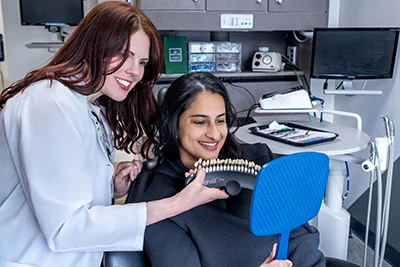



Where Families in Green Lake Come to Smile
Dental Hygiene Education in Green Lake, Seattle
Your dentist tells you to brush and floss daily, but what does good dental hygiene actually do for your long-term health? Proper dental hygiene does far more than keep your smile bright. It actively protects you from gum disease, cavities, and even systemic health issues like heart disease, diabetes complications, and dementia.
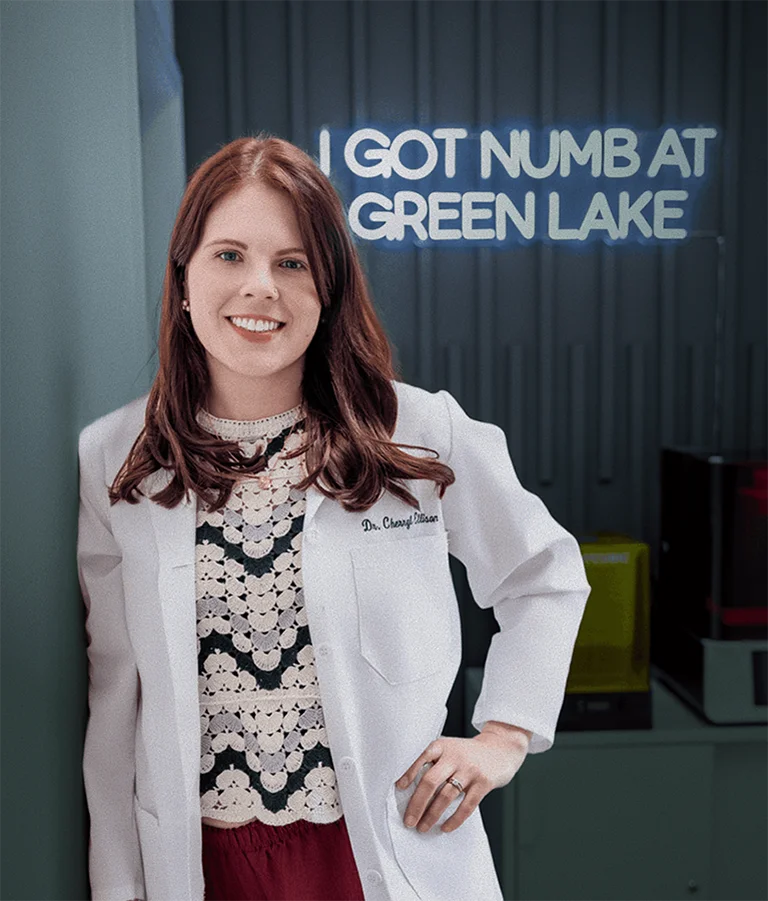
At Green Lake Cosmetic Dentistry, Dr. Cherryl Ellison combines thorough cleanings and exams with personalized education to help you build sustainable oral health habits. Whether you’re establishing routines for yourself or teaching your kids proper techniques, we’re here to guide you through every brushing stroke and flossing pass.


Why Dental Hygiene Education Matters
Dental hygiene education gives you the tools to prevent problems before they start. Many patients think brushing harder or more often solves everything, but technique matters just as much as frequency. Improper brushing can actually damage your enamel and irritate your gums, while proper brushing protects your teeth with less effort.
Professional education helps you avoid common mistakes that compromise your oral health, including:
- Brushing immediately after consuming acidic foods or drinks can wear down temporarily softened enamel. Wait at least 30 minutes to protect your tooth surfaces.
- Using a hard-bristled brush or applying too much pressure can damage gums and cause recession over time. Soft bristles and gentle motions clean just as effectively without the harm.
- Skipping the gum line during brushing leaves plaque buildup where it causes the most damage. This is where cavities and gum disease typically begin.
- Flossing incorrectly by snapping the floss between teeth or only cleaning the visible portions misses the tight spaces where decay forms. Proper C-shaped technique reaches below the gum line.
The American Dental Association recommends brushing twice daily, flossing once daily, and replacing your toothbrush every 3 to 4 months. These simple habits, done correctly, prevent most dental problems people face. When you know the reasoning behind each step, you’re more likely to stick with it.
Building Effective Brushing Techniques

Start with the right tools. A soft-bristled toothbrush prevents gum damage while still removing plaque effectively. Electric toothbrushes can make the process easier, especially for people with limited dexterity, but manual brushes work just as well when used correctly.
Hold your brush at a 45-degree angle to your gums. Use gentle, circular motions rather than aggressive back-and-forth scrubbing. This technique cleans along the gum line where plaque accumulates without causing recession or enamel wear. Spend at least two minutes brushing, segmenting your mouth into quadrants, and giving each section equal attention.
Don’t forget your tongue and the inside surfaces of your teeth. Bacteria collect on your tongue, contributing to bad breath and plaque buildup. A few gentle strokes with your toothbrush or a tongue scraper can keep your whole mouth fresh. The inside surfaces of your back teeth are easy to miss but just as important as the visible fronts.
Mastering Flossing and Interdental Care
Flossing reaches tooth surfaces your brush can’t access. Many patients feel frustrated with flossing because they’ve never been shown the proper method. The key is creating a C-shape with the floss around each tooth, sliding it gently beneath the gum line to remove trapped debris.
Use about 18 inches of floss, winding most around your middle fingers and leaving a few inches to work with. This lets you use a fresh section for each tooth, preventing bacteria from spreading from one space to another. If traditional floss feels awkward, try floss picks, water flossers, or interdental brushes to find what works for you. At Green Lake Cosmetic Dentistry, we can demonstrate different tools during your children’s dentistry or adult preventive visits.
Bleeding gums during flossing are often a sign of inadequate cleaning, not a reason to stop flossing. With consistent, gentle flossing, bleeding typically decreases within a week or two as your gums heal. However, persistent bleeding warrants a professional evaluation to rule out gum disease.
Choosing the Right Dental Products
Walk down any dental care aisle and you’ll face dozens of options. Focus on fluoride toothpaste with the ADA Seal of Acceptance, which verifies safety and effectiveness. Fluoride strengthens enamel and helps reverse early decay before it becomes a cavity. For sensitive teeth, look for formulas specifically designed to reduce discomfort.
Mouthwash serves as a helpful addition but not a replacement for brushing and flossing. Antimicrobial rinses reduce bacteria and freshen breath, while fluoride rinses provide extra protection against cavities. If you’re working on preventing gum disease, an antimicrobial rinse may be beneficial as part of your routine.
Consider your specific needs when selecting products. If you wear Invisalign or have dental crowns, specific tools make cleaning around these appliances easier. We’re happy to recommend products tailored to your unique dental situation during your next visit.
Teaching Children Proper Dental Hygiene
Children need age-appropriate instruction to develop good habits. For toddlers, make brushing fun with colorful toothbrushes and flavored toothpaste. Brush their teeth twice daily until they have the dexterity to do it themselves, usually around age six or seven. Even after they can brush independently, supervise to ensure they’re doing it thoroughly.
Young children often rush through brushing. Using a timer or listening to a two-minute song helps them brush long enough. Let them practice on their favorite stuffed animal first to build confidence and familiarity with the motions. Praise their efforts rather than focusing only on perfection, which encourages continued practice.
As children grow, explain why each step matters. When they understand that plaque feeds on sugar and produces acid that creates cavities, they’re more motivated to remove it. Connect their dental hygiene to things they care about, like avoiding dental fillings or keeping their smile bright.

Schedule Your Next Visit at Green Lake Cosmetic Dentistry

Dr. Ellison and our team provide personalized dental hygiene education for patients of all ages. During your cleaning and exam, we’ll review your current routine, demonstrate proper techniques, and answer any questions about maintaining your oral health. We also offer cosmetic dentistry therapies, such as teeth whitening and porcelain veneers, to enhance your smile once you’ve established a strong hygiene foundation.
Whether you need guidance for yourself or want to set your children up for lifelong oral health success, we’re here to help. Contact us today to schedule your appointment at our Green Lake practice and take the next step toward a healthier smile.
Book Your Dental Filling Appointment Today
Don’t wait for a small issue to become a big problem. Whether you’re due for a checkup or already know something needs attention, we’re here to help—with no pressure and no surprises.