



The sharp zing of pain when you bite down wrong or the sudden realization something feels off in your mouth can send anyone into panic mode. A cracked tooth might seem like a dental disaster, but understanding what steps to take can make all the difference between saving your smile and facing more extensive treatment down the road. Whether it happened during a weekend sports game, while enjoying popcorn at the movies, or simply from years of grinding your teeth at night, knowing how to respond quickly matters.
At Green Lake Cosmetic Dentistry, Dr. Cherryl Ellison and her team understand the urgency and anxiety that comes with a cracked tooth. Our Seattle practice offers same-day appointments to address dental emergencies, ensuring you receive prompt care when you need it most. With advanced technology and a compassionate approach, we help patients navigate these unexpected situations with confidence.
Recognizing the Signs of a Cracked Tooth
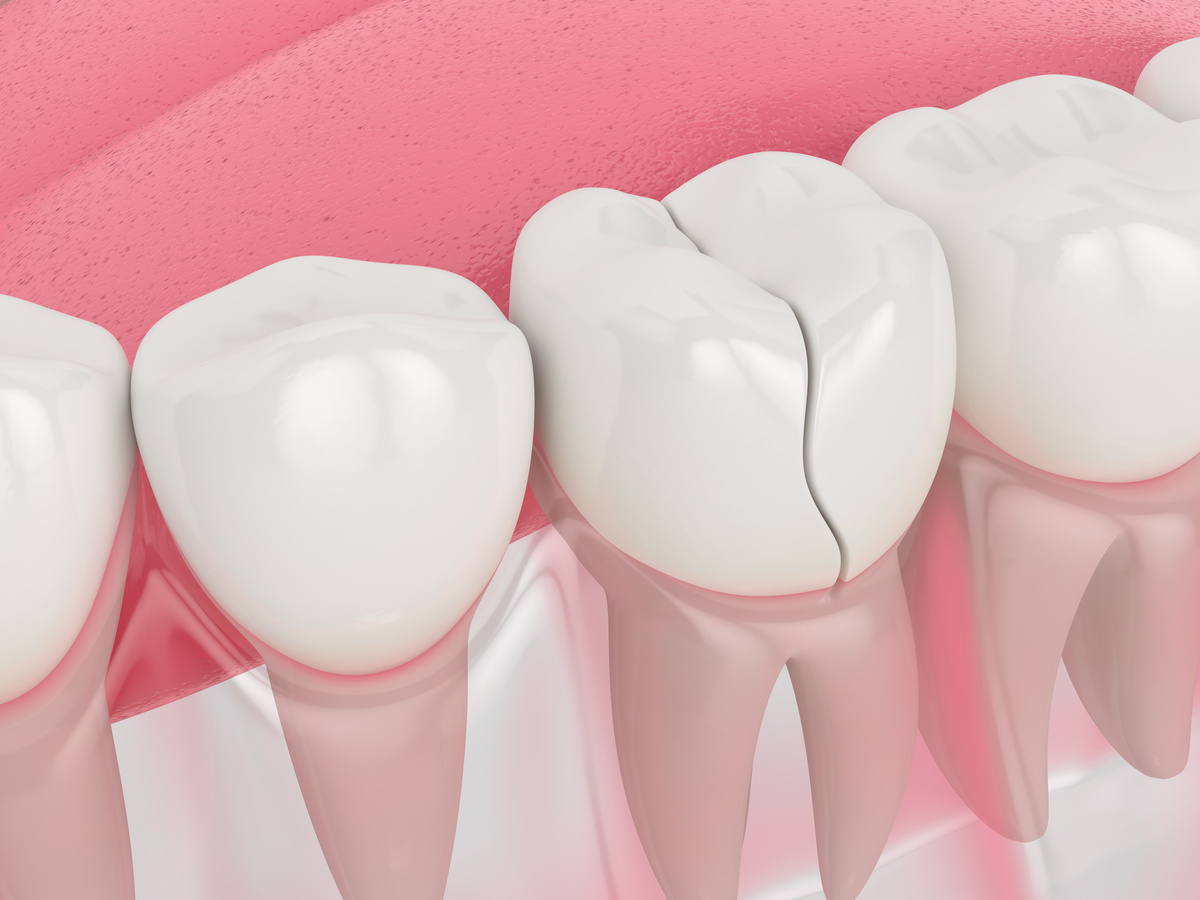
Not all cracks are immediately obvious, and some may develop gradually over time. You might experience sharp pain when biting or chewing, sensitivity to hot or cold temperatures, or discomfort that comes and goes unpredictably. Some cracks are visible to the naked eye, while others hide beneath the gum line or within the tooth structure itself.
According to the American Association of Endodontists, cracked teeth are one of the leading causes of tooth loss in industrialized nations, affecting people of all ages. The severity of a crack can range from minor surface crazing to deep fractures that extend into the tooth’s root. Early detection and treatment significantly improve the chances of saving the tooth, which is why seeking professional evaluation quickly is essential.
Common Causes of Tooth Cracks
Understanding what causes teeth to crack can help you prevent future damage. Chewing hard foods like ice, candy, or unpopped popcorn kernels puts excessive force on tooth enamel. Teeth grinding or clenching, especially during sleep, creates chronic pressure that weakens teeth over time. Large dental fillings can compromise tooth structure, making them more susceptible to fractures. Temperature extremes, such as drinking hot coffee followed immediately by ice water, cause expansion and contraction that stresses enamel. Trauma from accidents, falls, or sports injuries can crack even healthy teeth.
Immediate Steps to Take
The moment you suspect a cracked tooth, rinse your mouth gently with warm water to clean the area. If you notice any swelling, apply a cold compress to the outside of your cheek to reduce inflammation and numb discomfort. Over-the-counter pain relievers can help manage pain temporarily, but avoid placing aspirin directly on gums or teeth as this can cause tissue damage.
Protect the affected tooth by avoiding chewing on that side of your mouth. Stay away from extremely hot or cold foods and beverages, which can trigger sharp pain in the exposed nerve. If a piece of tooth has broken off, save it and bring it to your dental appointment. Most importantly, contact your dentist right away to schedule an examination, even if the pain subsides, as some cracks worsen over time without treatment.
Treatment Options Available
The appropriate treatment depends on the crack’s location, severity, and how far it extends. Minor cracks limited to the enamel may only require cosmetic bonding to smooth rough edges and restore appearance. Moderate cracks might need a dental crown to protect the tooth and prevent further damage. More extensive fractures could require different approaches depending on whether the crack extends below the gum line.
During your evaluation, your dentist will examine the tooth carefully, possibly using magnification or special lighting to assess the damage. Digital imaging helps determine the crack’s depth and whether it affects the tooth’s pulp. Based on this comprehensive assessment, your dentist will recommend the most conservative treatment that effectively addresses the problem while preserving as much natural tooth structure as possible.
Preventing Future Cracks
Taking proactive steps protects your teeth from future damage. If you grind your teeth at night, wearing a custom nightguard cushions your teeth and distributes pressure evenly. Regular cleanings and exams allow your dentist to identify weakened teeth before they crack. Avoid using your teeth as tools to open packages or crack nuts, and be mindful when eating hard foods.
Maintaining good oral hygiene keeps teeth strong and healthy. Fluoride strengthens enamel and increases resistance to fractures. If you participate in contact sports or high-impact activities, wearing a properly fitted mouthguard significantly reduces your risk of dental trauma. These simple preventive measures can save you from the discomfort and expense of treating cracked teeth.
Get the Care You Need at Green Lake Cosmetic Dentistry
A cracked tooth requires prompt professional attention to prevent complications and preserve your smile. Dr. Cherryl Ellison brings extensive training and a gentle touch to every dental emergency, ensuring you feel comfortable and informed throughout your treatment. Our practice combines advanced dental technology with a warm, welcoming environment where your concerns are heard and addressed.
Whether you need immediate care for a dental emergency or want to schedule a comprehensive evaluation, contact our team today. We accept most major dental insurance plans, including Delta Dental, Premera Blue Cross, and Cigna, and offer flexible financing through Cherry to make your care affordable. Don’t let a cracked tooth compromise your oral health or confidence.