






Seeing blood in the sink after brushing your teeth can be alarming, especially when it happens regularly. Many people dismiss bleeding gums as normal or inevitable, but this common symptom actually signals that something needs attention. Your gums shouldn’t bleed from routine brushing or flossing, and understanding why they do helps you address the problem before it progresses into something more serious.
At Green Lake Cosmetic Dentistry in Seattle, Dr. Cherryl Ellison helps patients understand what bleeding gums mean and how to restore healthy tissue through proper care and professional treatment. While occasional minor bleeding might occur if you accidentally brush too hard, consistent bleeding indicates inflammation that requires intervention. Recognizing the cause empowers you to take action and prevent more extensive damage to your gum tissue and the bone supporting your teeth.
Plaque Buildup Causes Inflammation
The most common reason for bleeding gums is gingivitis, the earliest stage of gum disease caused by plaque accumulation along your gumline. Plaque is a sticky film of bacteria that constantly forms on your teeth, and when it isn’t removed through brushing and flossing, it irritates your gum tissue and triggers an inflammatory response. According to the Centers for Disease Control and Prevention, gingivitis causes red, swollen gums that bleed easily, though it remains reversible with proper treatment.
This inflammation makes your gums more sensitive and prone to bleeding, even from gentle pressure during brushing. The bacteria in plaque produce toxins that your body recognizes as a threat, causing your immune system to respond with swelling and increased blood flow to the affected area. While this response aims to fight infection, it simultaneously weakens the gum tissue and makes it fragile enough to bleed with minimal contact.
The progression happens gradually. You might notice slight pinkness in your toothbrush bristles initially, which many people ignore. Over time, the bleeding becomes more pronounced, and you may see it when eating certain foods or notice a metallic taste in your mouth. If plaque continues accumulating, it hardens into tartar that only professional cleaning can remove, making home care alone insufficient to resolve the inflammation.
Poor Brushing Technique Contributes to Problems
Ironically, both inadequate and overly aggressive brushing can cause gum bleeding. If you don’t brush thoroughly or skip areas where your teeth meet your gums, plaque builds up and causes the inflammation we just discussed. Conversely, brushing too hard with excessive force or using a hard-bristled toothbrush can physically damage delicate gum tissue, causing it to recede and bleed even when it’s otherwise healthy.
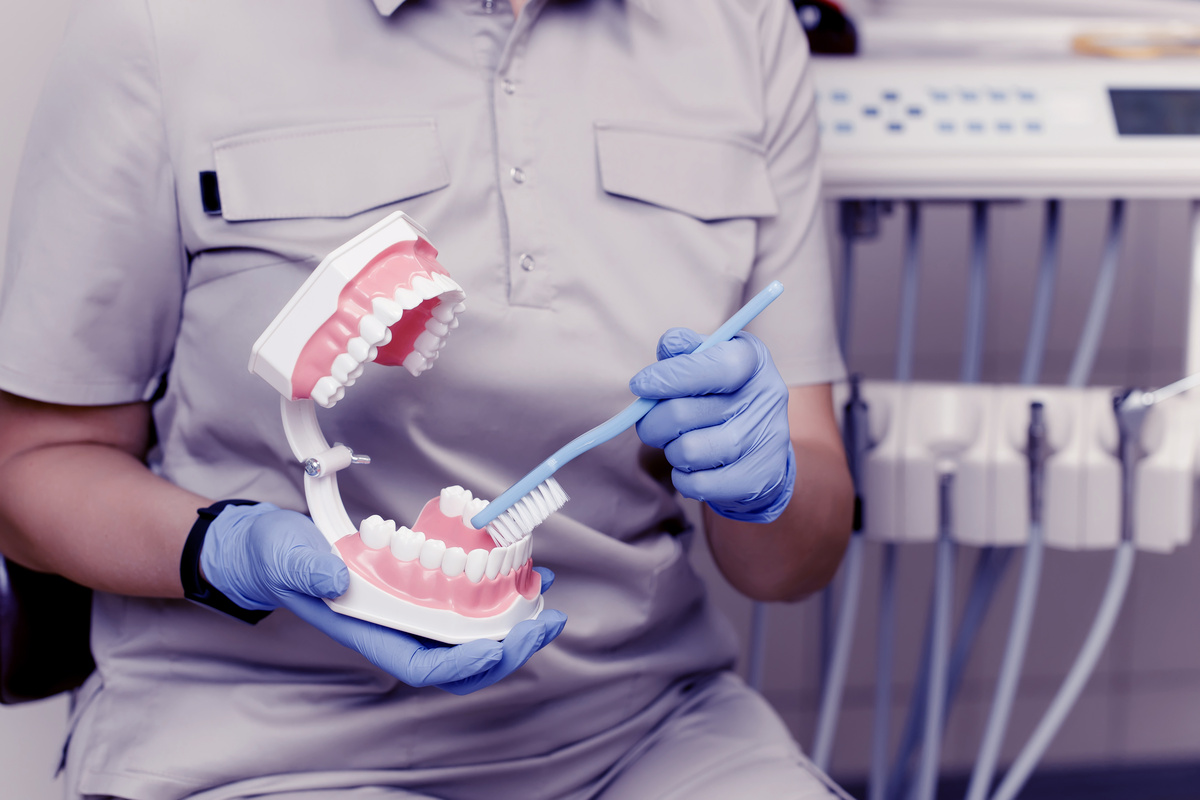
The correct brushing technique involves holding your toothbrush at a 45-degree angle to your gumline and using gentle, circular motions rather than harsh back-and-forth scrubbing. Many people mistakenly believe that brushing harder means cleaning better, but this actually traumatizes the tissue and can wear away enamel over time. A soft-bristled brush with gentle pressure removes plaque effectively without causing harm.
Flossing plays an equally important role, yet it’s often neglected or done incorrectly. When you haven’t flossed regularly and suddenly start, your gums may bleed for the first few days as they adjust. This temporary bleeding should decrease as your gum health improves with consistent daily flossing. However, if bleeding persists beyond a week or two of proper oral hygiene, it indicates that professional intervention is needed to address underlying inflammation.
Untreated Gingivitis Progresses to Periodontitis
When gingivitis goes untreated, it can advance to periodontitis, a more serious form of gum disease that damages the bone supporting your teeth. At this stage, the infection spreads below your gumline, creating pockets between your teeth and gums where bacteria thrive. These pockets deepen over time, and the chronic inflammation gradually destroys the connective tissue and bone that hold your teeth in place, eventually leading to tooth mobility and loss.
Periodontitis cannot be reversed like gingivitis, though it can be managed and slowed with professional treatment including deep cleanings, medications, and sometimes surgical procedures. The bleeding you experience with periodontitis often comes not just from brushing but spontaneously, and it may be accompanied by persistent bad breath, receding gums, and changes in how your teeth fit together. The disease affects millions of adults, creating a significant public health concern.
This progression emphasizes why addressing bleeding gums early matters so much. What begins as a simple, reversible problem can transform into permanent damage requiring extensive intervention. Regular dental visits allow your hygienist and dentist to catch gum disease in its earliest stages when it’s easiest to treat. Waiting until you experience pain or loose teeth means addressing problems that could have been prevented with timely care.
Other Factors That Cause Bleeding Gums
Several other conditions and factors can contribute to bleeding gums beyond plaque-related inflammation. Hormonal changes during pregnancy, menstruation, or menopause can make gums more sensitive and prone to bleeding. Certain medications, particularly blood thinners, increase bleeding throughout your body including in your mouth. Vitamin deficiencies, especially vitamin C or K, affect blood clotting and gum health.
Medical conditions like diabetes significantly increase your risk for gum disease, as elevated blood sugar creates an environment where bacteria flourish and inflammation intensifies. Similarly, smoking severely compromises gum health by restricting blood flow to gum tissue, masking bleeding that would otherwise alert you to problems, and interfering with your body’s ability to heal damaged tissue. If you have bleeding gums and any of these risk factors, addressing them becomes even more crucial.
Stress, poor nutrition, and inadequate sleep can all weaken your immune system and make you more susceptible to gum inflammation. While these factors rarely cause bleeding gums on their own, they exacerbate existing problems and make recovery more difficult. A comprehensive approach to oral health considers your overall wellness, not just what happens in your mouth, since these systems influence each other significantly.
Restore Healthy Gums at Green Lake Cosmetic Dentistry
Dr. Ellison and our team provide thorough evaluations to determine why your gums are bleeding and develop personalized treatment plans to restore healthy tissue. Whether you need a professional cleaning to remove tartar buildup, guidance on improving your brushing technique, or more intensive treatment for advanced gum disease, we ensure you receive the care necessary to protect your smile. Early intervention prevents minor problems from becoming major concerns.
If you’ve noticed bleeding when you brush or floss, don’t wait to address it. What seems like a small issue now can lead to serious complications if left untreated, including tooth loss and systemic health problems linked to chronic inflammation. Contact us today to schedule an appointment where we can assess your gum health, identify the cause of your bleeding, and help you achieve the healthy, comfortable mouth you deserve.